What Homeowners Should Know Before Pressure Washing a Roof
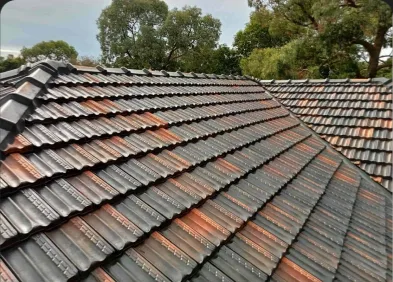
Pressure washing can make a roof look cleaner, but it is not something to rush into without checking the condition of the roof first. Dirt, moss, lichen and grime can build up over time, especially on homes exposed to trees, shade, rain and changing weather. Cleaning can help, but the wrong approach may cause more problems than it solves.
For homeowners researching roof pressure washing in Melbourne, it helps to understand when roof cleaning makes sense, when repairs may be needed first and why the condition of the roof matters.
Start With the Roof’s Condition
Before any pressure washing is done, the roof should be checked properly. Loose tiles, cracked pointing, damaged flashing, rusted sections or blocked valleys can all affect whether cleaning is safe.
If a roof already has weak spots, high-pressure water may push into areas where it should not go. This can increase the risk of leaks or make existing damage worse.
A clean roof is only useful if the roof itself is still sound. That is why inspection should come before washing.
Moss and Lichen Are More Than Cosmetic
Moss, lichen and algae can make a roof look old or neglected, but the issue is not only appearance. When growth builds up, it can hold moisture against the roof surface.
Over time, this may affect tiles, bedding, pointing and roof drainage. It can also make gutters fill up faster, especially after heavy rain or windy weather.
Removing moss and lichen can help reduce buildup, but it should be done carefully so the roof surface is not damaged in the process.
Not Every Roof Needs the Same Cleaning Method
Different roofing materials respond differently to pressure washing. Concrete tiles, terracotta tiles, metal roofing and polycarbonate sections all need to be treated with care.
An older roof may need a gentler approach than a newer one. A tiled roof with loose ridge capping or damaged pointing may need repairs before cleaning begins.
This is why roof cleaning should not be treated as a one-size-fits-all job. The method should suit the roof material, age and condition.
DIY Roof Washing Can Be Risky
It can be tempting to hire a pressure washer and clean the roof yourself, but roof work carries risks. There is the safety risk of working at height, as well as the risk of damaging tiles, forcing water under laps or using too much pressure in the wrong area.
DIY cleaning may also miss important signs of roof wear. From the ground, a roof may simply look dirty. Up close, there may be cracked tiles, loose bedding, rust, blocked gutters or early leak risks.
For many homeowners, professional roof cleaning is less about convenience and more about avoiding damage caused by the wrong technique.
Cleaning May Reveal Other Issues
Once moss, dirt and grime are removed, other problems may become easier to see. Cracked tiles, worn coatings, loose mortar or rusted metal sections can be hidden under surface buildup.
This is not a bad thing. Finding these issues early can help homeowners deal with them before they turn into larger repairs.
Roof washing can be part of general maintenance, but it should not replace proper roof checks, gutter maintenance or repairs where they are needed.
Gutters and Drainage Matter Too
A roof does not work properly if water cannot drain away. Gutters, valleys and downpipes should also be checked when roof cleaning is being considered.
Moss, leaves, dirt and roof debris can all end up in the gutters. If drainage is blocked, water may overflow or back up into areas where it can cause damage.
Good roof maintenance looks at the whole system, not just the visible roof surface.
Timing Can Make a Difference
Roof cleaning is often considered before painting, restoration or selling a home. It can also be useful when moss and lichen have started spreading or when the roof looks heavily stained.
The best time depends on the roof’s condition and the weather. Cleaning during unsuitable conditions can make the work harder and may affect the result.
Homeowners should also avoid waiting until there is a leak or major buildup. Regular checks can make it easier to decide when cleaning is genuinely needed.
A Practical Takeaway
Pressure washing a roof can help remove moss, lichen, dirt and grime, but it should be approached carefully. The roof should be inspected first, the cleaning method should suit the material, and any repairs should be considered before work begins.
For homeowners looking into roof pressure washing in Melbourne, the main thing is to avoid treating roof cleaning as a quick surface job. A good result depends on understanding the roof’s condition, not just making it look cleaner from the street.
Roof Guard Roofing provides roof cleaning, repairs, restoration and maintenance across Melbourne, helping homeowners care for their roof with practical advice and suitable cleaning methods.
Request a Quote
Try out Our Free
Ready to Get Started with Your Roofing Service?
Your roof deserves expert care. Contact Roof Guard Roofing today for your free, no-obligation quote and let our trusted team restore, repair, or replace your roof with confidence.
Get Your Free Quote