Roof Ventilation Melbourne
Whirlybird installation and balanced roof-cavity ventilation assessed for the property across Melbourne.
Roof ventilation allows warm or moisture-laden air to leave the roof cavity while replacement air enters through suitable intake paths. Wind-driven roof ventilators, commonly called whirlybirds, can form part of this airflow strategy on tiled and metal roofs. Their effectiveness depends on roof-cavity layout, intake ventilation, unit position, wind exposure and the source of the heat or moisture concern.
Request an Assessment →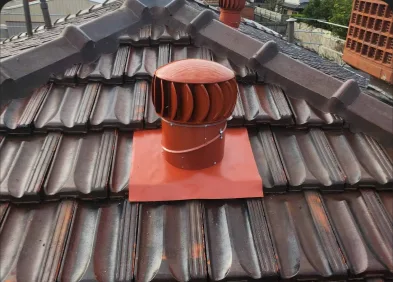
Whirlybirds and Balanced Roof-Cavity Airflow
Roof Guard Roofing installs and assesses roof ventilators across Melbourne. Ventilators are not sold as a guaranteed way to cut a power bill or solve every condensation problem.
An inspection helps determine whether ventilators are suitable, how many may be required and whether blocked eaves, insulation, bathroom exhausts, roof leaks or other building issues also need attention.
What Roof Ventilation Can Help With
A ventilated roof cavity can release trapped hot air in warm conditions and help manage moisture that enters the space. It may reduce heat load and condensation risk, but performance varies between homes. The roof cavity also needs suitable intake air; exhaust units alone cannot move air effectively if replacement air has no clear path.
- Heat buildup in an enclosed roof cavity
- Moisture accumulation and condensation risk
- Stale air where intake and exhaust can be balanced
- Replacement of noisy, seized or damaged existing ventilators
What Whirlybirds Cannot Guarantee
Whirlybirds do not replace ceiling insulation, air sealing, bathroom exhaust ducting, mechanical ventilation or repair of an active roof leak. They also cannot guarantee a fixed indoor temperature or energy saving. Where mould or dampness is present, the moisture source should be investigated rather than assuming that one roof vent will solve it.
How the Right Number and Position Are Chosen
The recommendation considers roof area, cavity volume, roof pitch, building use, existing vents, eave intake, obstructions and the location of heat or moisture sources. Units should be positioned to promote airflow without creating short circuits between nearby intake and exhaust points.
Product capacity and installation guidance vary, so the selected manufacturer’s specifications are used rather than one unit-per-area rule for every home.
The Roof Ventilation Installation Process
Discuss the heat, moisture, noise or existing-vent concern.
Inspect the roof type, cavity where accessible, intake paths and current ventilation.
Select the unit, colour, number and position for the property.
Prepare the tiled or metal roof opening using the correct flashing method.
Install, secure and weatherproof the ventilator to the product instructions.
Check that the unit spins freely and surrounding roofing remains watertight.
Explain maintenance and any additional airflow or moisture issues observed.
Tiled and Metal Roof Installation
The installation must account for water flow, sheet or tile movement and material compatibility rather than relying on sealant alone.
Tiled Roofs
Tiled roofs commonly use a purpose-made flashing base integrated with the tile layout.
Metal Roofs
Metal roofs require a correctly sized opening and compatible flashing sealed to the sheet profile.
Roof Ventilation Cost
Cost depends on roof type, height, access, number and model of ventilators, existing units, colour, safety controls and whether roof repairs are required around the installation area. A quote names the product and number of units rather than using a generic installation price.
Recent Roof Ventilation Work
Roof Guard assesses roof-cavity ventilation and whirlybird placement on tiled and metal roofs, selecting the product and position for balanced airflow. Recent Projects shows installed roof ventilation.
View Recent Projects →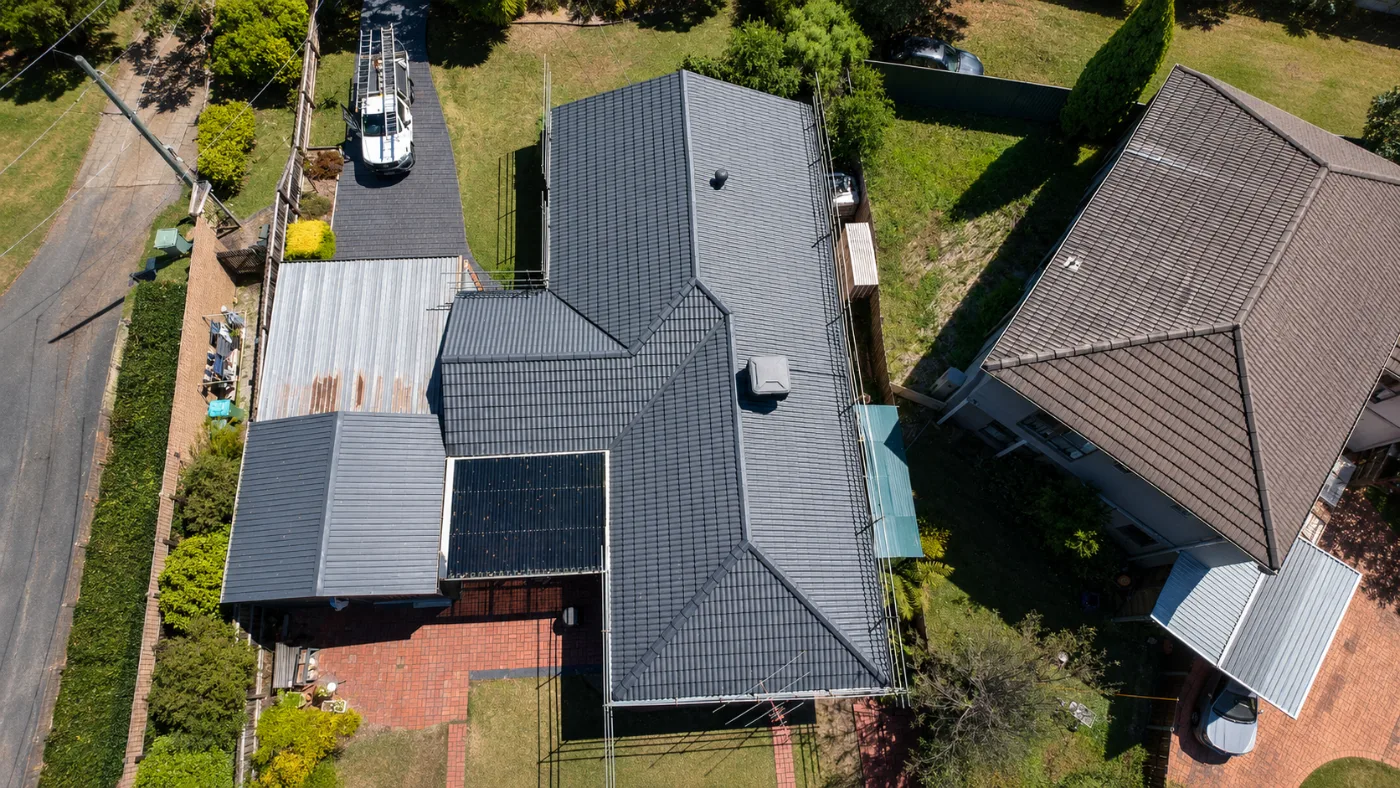
Why Choose Roof Guard for Roof Ventilation
Licensed & Insured
Work carried out by a licensed, insured Melbourne roofing team.
Qualified Roofers
Ventilator installation completed by experienced roofers with correct roof flashing.
Obligation-Free Quotes
A clear written quote prepared for your property after inspection.
Balanced Airflow Check
Intake paths and existing vents assessed so exhaust units have replacement air to move.
Roof Ventilation FAQs
What is a whirlybird?
Can whirlybirds be installed on tiled and metal roofs?
Will a whirlybird reduce energy bills?
How many roof ventilators do I need?
Can roof ventilation stop mould?
Can existing whirlybirds be repaired or replaced?
Request a Roof Ventilation Assessment
Arrange an inspection to review the roof type, cavity airflow, intake paths and existing vents before selecting the number and position of whirlybirds.
Get a Free Quote →