
What Is Roof Sarking (Sisalation)?
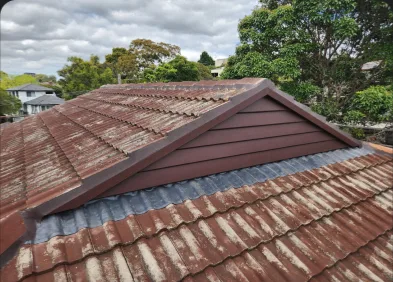
If you have ever been up in your roof space and seen a shiny foil layer under the tiles or metal sheets, that is sarking. Many Melbourne homeowners know it by the brand name Sisalation. It is a thin reflective membrane laid over the rafters before the battens and roof covering go on, and it quietly does several important jobs. This guide explains what sarking is, what it does for your home and when it makes sense to install it.
What is roof sarking?
Sarking is a flexible sheet, usually a reinforced foil laminate, that sits directly under your roof tiles or metal roof sheets. It runs across the rafters and drapes slightly between them, so any water that gets past the roof covering runs down the sarking and out into the gutter instead of into your ceiling. On most products one or both faces are reflective foil, which also helps with heat.
You will hear it called sarking, roof sarking, reflective foil laminate (RFL) or Sisalation. They all describe the same basic idea: a second line of defence under the roof you can see from the street.
What does sarking do?
- Stops wind driven rain and blow back: tiled roofs are not completely watertight. In strong wind, rain and dust can be pushed up and under the tiles. Sarking catches that water and directs it to the gutter.
- Keeps out dust and debris: it reduces the dust, leaf litter and grime that blow into the roof space through the gaps between tiles.
- Reflects radiant heat: the foil face reflects a large share of the heat radiating off a hot roof, which helps keep the roof space and the rooms below cooler in a Melbourne summer.
- Helps manage condensation: under metal roofs, warm moist air can condense on the cold underside of the sheets on winter nights. Sarking or an insulation blanket under the sheets helps stop that moisture dripping onto your ceiling.
- Adds protection in bushfire prone areas: sarking helps keep embers out of the roof space, and it is commonly part of the roofing requirements for homes in designated bushfire prone areas.
Sarking under tiled roofs vs metal roofs
Tiled roofs: sarking is mainly about keeping out wind driven rain, dust and embers, with a heat benefit from the foil. Older Melbourne homes with concrete or terracotta tiles often have no sarking at all, which is one reason they can leak in storms even when no tiles are broken.
Metal and COLORBOND roofs: metal sheets are watertight, so the main jobs here are heat and condensation control. Most new metal roofs go on over an insulation blanket, often called an anticon blanket, which combines a reflective foil with a layer of insulation. It also greatly reduces rain noise.
Does my roof have sarking?
The easiest way to check is to look up into the roof space with a torch. If you can see the underside of the tiles or sheets directly, there is no sarking. If you see a foil or paper layer running across the rafters, there is. If the sarking is torn, sagging into the ceiling or badly discoloured, it may no longer be doing its job.
Can sarking be added to an existing roof?
Sarking goes on top of the rafters and under the battens, so it cannot simply be slipped in from inside the roof space. To add it to a tiled roof, the tiles and battens need to come off first. That is why the best time to install sarking is when the roof is being replaced, or when a section of roof is being relaid during major repairs.
If you are planning a roof replacement or switching from tiles to COLORBOND, ask for sarking or an insulation blanket to be included in the quote. The extra cost is small compared with the roof itself, and it is very hard to add later. Our roof replacement cost guide shows typical prices for Melbourne homes.
Signs your roof could use better protection
- Water marks on the ceiling after windy, rainy weather, with no obvious broken tiles
- A dusty, dirty roof space that gets worse after storms
- Rooms under the roof that get very hot in summer
- Drips or damp patches under a metal roof on cold mornings
- Old sarking that is torn, brittle or sagging onto the ceiling
If you are seeing any of these, a roof inspection will show whether the problem is the roof covering itself, the ridge capping, the valleys or missing protection underneath. Our roof repairs team can find the cause and give you honest options.
Roof sarking FAQs
Is sarking the same as insulation?
Not quite. Standard sarking is a thin reflective membrane. It reflects radiant heat but has little bulk insulation. An insulation blanket under a metal roof combines a foil face with a thicker insulating layer, so it does more for heat, cold and noise.
Do all roofs need sarking?
Not every roof legally requires it, but most new roofs in Melbourne include sarking or an insulation blanket because of the protection it adds. In bushfire prone areas it is commonly required as part of the roof construction.
How long does sarking last?
Good quality sarking that is installed correctly and protected from the sun can last for the life of the roof. It mainly fails when it is torn, exposed to sunlight for long periods or damaged during other work in the roof.
Can I add sarking without replacing my roof?
For a tiled roof, the tiles have to be lifted to install sarking properly, so it is usually done during a re-roof. Talk to us about your roof and we will tell you whether it is worth doing now or as part of future work.
Not sure whether your roof has the protection it needs? Call Roof Guard on 03 8738 3451 or request a free inspection and quote.

Roof Guard Roofing is a Melbourne roofing business based in Carrum Downs, run by owner Daniel and his team. We repair, restore and replace tiled, metal and COLORBOND roofs across Melbourne's eastern, south eastern and bayside suburbs. Licensed and insured, with a 10 year workmanship warranty.
Ready to Get Started with Your Roofing Service?
Your roof deserves expert care. Contact Roof Guard Roofing today for your free, no-obligation quote and let our trusted team restore, repair, or replace your roof with confidence.
Get Your Free Quote