
Why Does Material Compatibility Matter During Metal Roof Repairs?
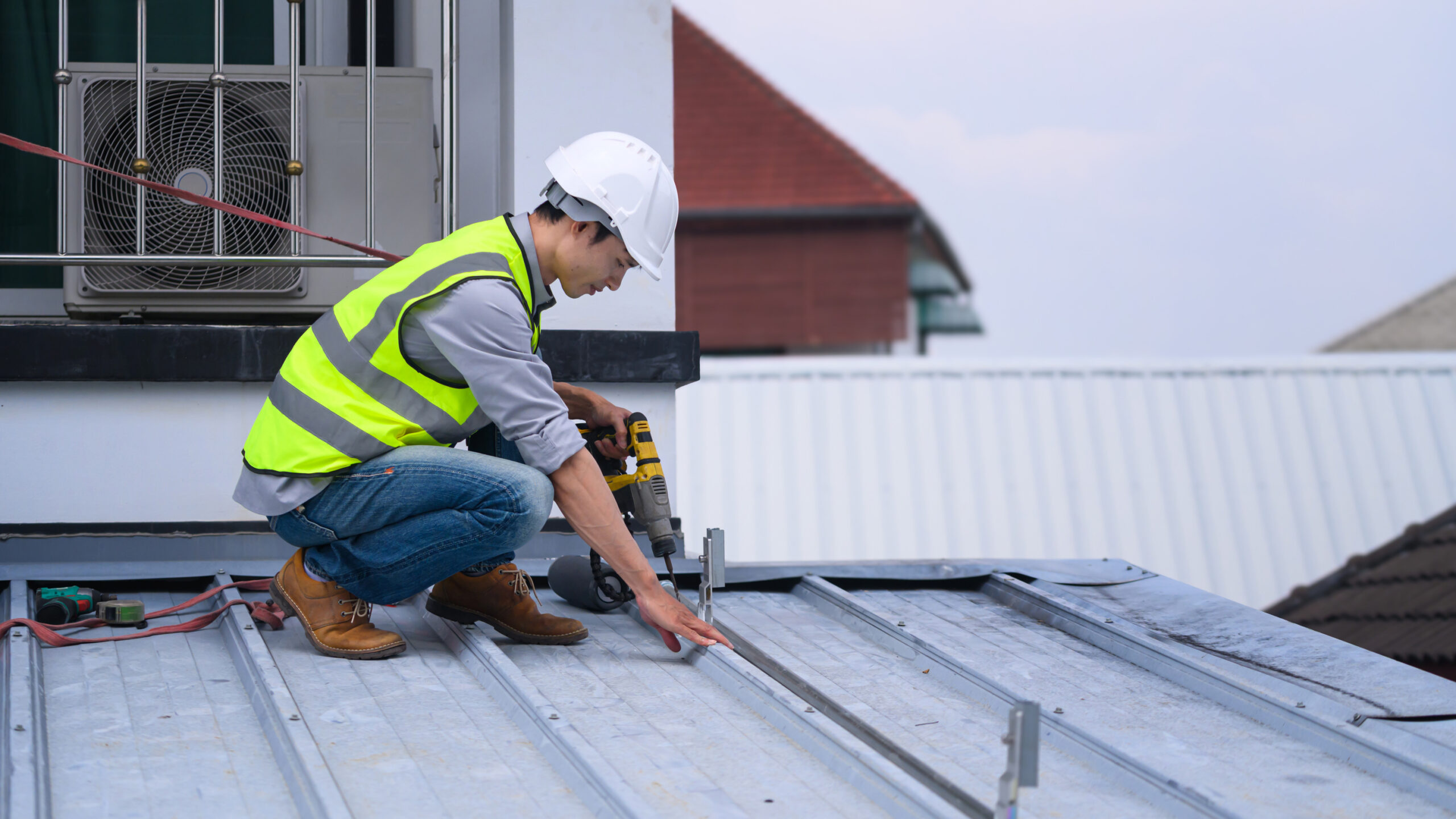
Material compatibility matters because a repair can fail if the replacement metal, fasteners or sealants do not work properly with the existing roof.
On a metal roof, different materials sit close together and are exposed to rain, heat and changing weather. If the wrong components are combined, corrosion can develop faster, fixings can deteriorate, or water can find its way into areas that were meant to stay sealed.
That is why a good metal roof repair should consider more than the visible damage. The materials used in the repair also need to be compatible with the existing roofing system.
Different Metals Can React With Each Other
Dissimilar metals can sometimes create galvanic corrosion when they come into contact in the presence of moisture.
This matters on roofs because rainwater can act as the electrolyte that allows the reaction to occur.
For example, some combinations of copper, lead, galvanised steel or coated steel may not be suitable together without proper separation or detailing. The more reactive metal can deteriorate faster than expected.
This can affect:
- roof sheets
- flashings
- fasteners
- gutters
- penetrations
- adjoining metal components
The problem may not appear immediately. Corrosion can develop gradually and only become obvious after the repair has been exposed to weather for some time.
Fasteners Need to Match the Roofing System
The screws and fixings used during a repair are just as important as the roof sheets.
A fixing may look small, but it has to hold the roof securely while also remaining compatible with the surrounding metal.
Incorrect fastener material can increase the risk of corrosion. The wrong size or profile can also affect how securely the roof sheet is held.
On systems such as COLORBOND or galvanised steel roofing, the fastener type should suit the coated steel and the surrounding components.
Washers also matter. If they deteriorate, flatten or fail to seal properly, water may begin to enter around the fixing point.
For this reason, metal roof repairs in Melbourne should consider the fastener and the roof sheet as part of the same system.
Nearby Materials Can Affect the Roof Too
Metal compatibility is not only about metal touching metal.
Other materials around the roof can also affect coated steel or galvanised surfaces.
Treated timber, certain sealants, aggressive cleaning chemicals and some construction materials can create conditions that encourage corrosion or damage protective coatings.
Runoff is another consideration.
Water that flows over an incompatible material before reaching the roof can sometimes carry contaminants onto the metal surface. This can create corrosion even when the two materials are not directly touching.
That is why repairs around chimneys, skylights, roof penetrations and adjoining structures need to consider what materials are already present.
Flashing Repairs Need Careful Material Selection
Flashing is one of the areas where compatibility problems can easily develop.
Roof flashing is used around junctions, penetrations, walls, valleys and other areas where water needs to be directed away from vulnerable points.
If a flashing material does not suit the surrounding roof, corrosion can develop at the contact point or where water runs between the two materials.
This can eventually lead to:
- rust
- failed seals
- staining
- leaks around penetrations
- premature deterioration of nearby roof sheets
A roof flashing repair should therefore match the roofing system and the environment in which it is installed.
The aim is not just to stop the current leak. The repair should also avoid creating another problem later.
Sealants and Coatings Need to Suit the Existing Surface
Sealant compatibility matters because some products adhere poorly or break down when used on the wrong surface.
A sealant that works well on one type of metal may not perform as well on another.
The same applies to coatings.
If an existing painted or coated steel roof requires local repair, the replacement material and any protective coating should be compatible with the surrounding finish.
Surface preparation also matters. Dirt, oxidation, old sealant and moisture can affect how well a new repair bonds.
This is why repeatedly applying more sealant over an old leak is not always enough. If the underlying materials are incompatible or already corroding, the patch may only hide the problem temporarily.
Previous Repairs Can Create Compatibility Problems
Older repairs can sometimes introduce materials that do not suit the original roof.
A previous patch may have used different metal, an unsuitable screw or a sealant that has since broken down.
When that area begins leaking again, simply adding another layer of repair can make the problem harder to diagnose.
A better approach is to check:
- what material was added
- whether corrosion has developed around it
- whether the fasteners are compatible
- whether water is travelling under the patch
- whether the surrounding roof sheet is still sound
This is especially important on older metal roofs that may have been repaired several times over the years.
Compatibility Matters More in Melbourne Conditions
Melbourne weather can place repeated stress on metal roofing.
Rain, temperature changes, coastal exposure in some suburbs and long periods of moisture around roof edges or penetrations can all influence how materials behave over time.
A repair that looks acceptable when first installed may deteriorate more quickly if the materials are not suitable for those conditions.
This is why local metal roof leak repair should consider both the roof material and the surrounding environment.
The goal is to choose components that work together rather than focusing only on the damaged area.
Planning Metal Roof Repairs in Melbourne
Roof Guard Roofing provides metal roof repair services across Melbourne, including work involving roof sheets, flashing, fixings, penetrations and localised corrosion.
If a metal roof has started leaking or showing signs of deterioration, the repair should consider the compatibility of any replacement materials with the existing system.
Correctly matching the metal, fasteners, sealants, and surrounding components can help prevent new corrosion or sealing problems while the original issue is being repaired.

Roof Guard Roofing is a Melbourne roofing business based in Carrum Downs, run by owner Daniel and his team. We repair, restore and replace tiled, metal and COLORBOND roofs across Melbourne's eastern, south eastern and bayside suburbs. Licensed and insured, with a 10 year workmanship warranty.
Ready to Get Started with Your Roofing Service?
Your roof deserves expert care. Contact Roof Guard Roofing today for your free, no-obligation quote and let our trusted team restore, repair, or replace your roof with confidence.
Get Your Free Quote